A Place to Call Home: Beavers and the Power of Conservation
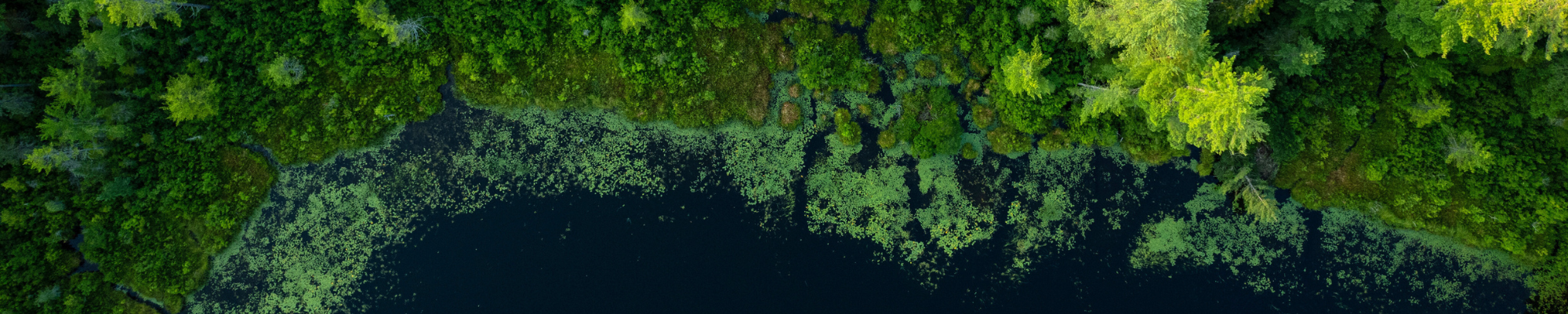
As the evening sun peers through the mist, the water over a bog in Chain of Ponds Community Forest, in Madison, NH, remains still. The only sound is the autumn wind rustling through the trees dressed in fall foliage, and the only disturbance to the water’s surface are leaves gently drifting down from above.
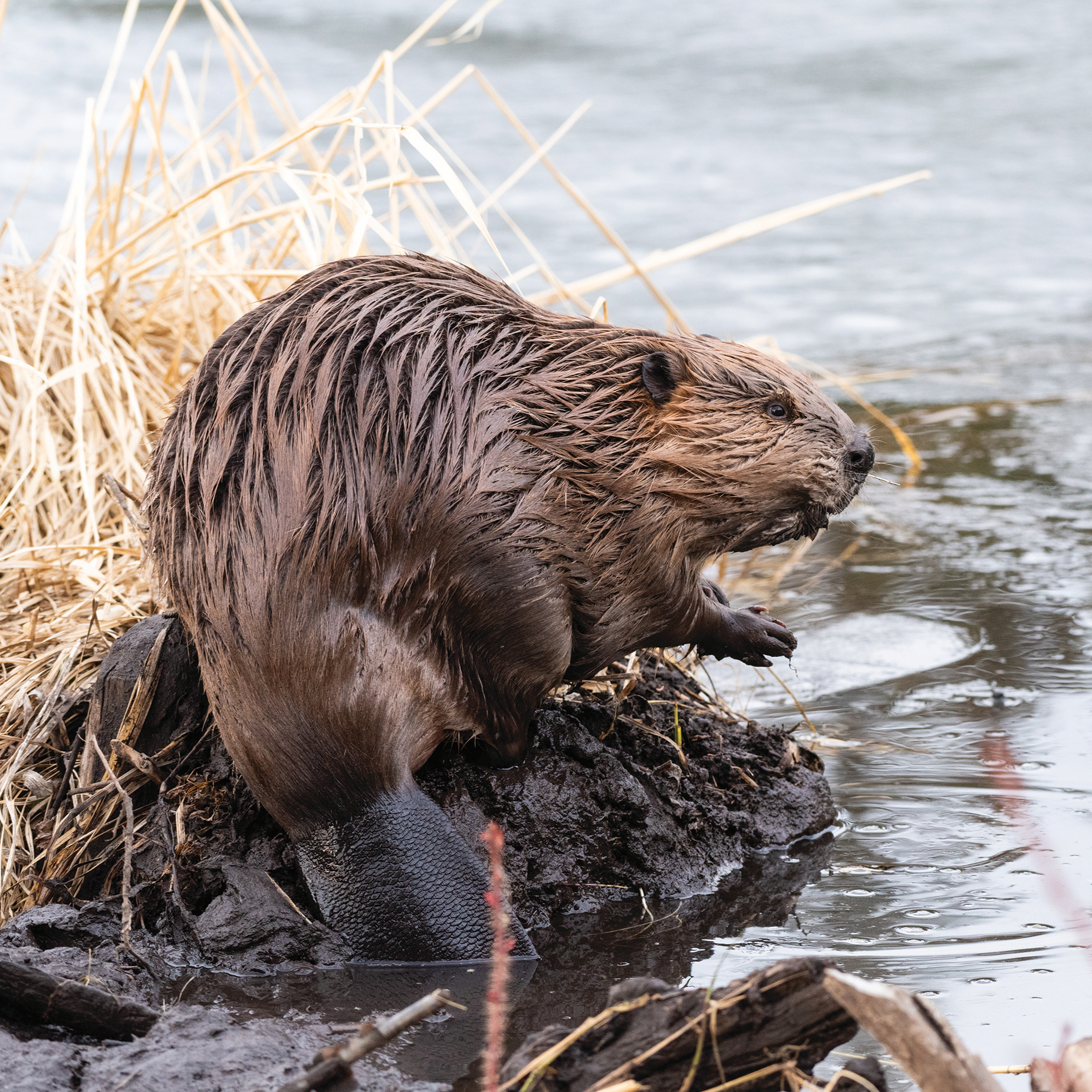
After a few moments, more ripples appear, far too large to be caused by any leaf and clearly coming from below. A beaver breaks the surface, beginning its nightly routine.
You watch as it carries sticks across the pond, carefully adding them to its dam. Then, with a few precise nudges and placements, it reinforces weak spots, ensuring that water can continue to pool. This work isn’t just instinct, it’s survival. Beavers build dams to create safe, stable wetlands where they can build lodges, find their partner, and raise their family.
But this kind of natural engineering is increasingly at risk. As development continues to spread across Mount Washington Valley, the habitats that beavers and countless other species rely on are being lost or fragmented.
You’ve probably seen it yourself: When beavers build too close to roads or buildings, their dams can be seen as nuisances, even though the problem isn’t the beavers — it’s the shrinking natural space available to them.
That's only half the story
Given the space to thrive, beavers provide enormous ecological benefits. Their ponds store excess water, helping to reduce flood risks downstream. The wetlands they create become vibrant ecosystems that support fish, amphibians, birds, and plants. These wetlands filter water, store carbon, and build resilience against climate change. In times of drought, these ponds provide critical access for wildlife to water and help replenish groundwater.
But when their habitat disappears, so do these benefits. Displaced beavers can’t simply move next door — they lose their homes, and the whole community of life around them unravels.
This beaver, however, doesn’t have to worry.
It lives in Chain of Ponds Community Forest, a 626-acre conservation area permanently protected by Upper Saco Valley Land Trust in partnership with the community. Tucked away from development, this preserve provides a sanctuary not only for beavers, but for the rich biodiversity that depends on ponds, wetlands, and undisturbed forests.
This landscape exists because people like you believed it should. Through land conservation, we ensure that wildlife has room to thrive, now and in the future. Every acre protected is a promise that native species can continue their ancient rhythms: building, nesting, foraging, raising their young.
Beavers are not the only ones losing habitat. But with your continued support, they won’t be the last ones to find it again.
Let’s keep making space for beavers, for nature, and for a future where people and wildlife coexist in balance.